
Nightlife has always been about more than just music, drinks, or even the venue itself. What often lingers after a night out is the feeling it created, whether that’s excitement, confidence, or something a bit harder to pin down.
In places like London, where the options are endless, people seem to gravitate towards experiences that offer something slightly elevated, and VIP settings tend to sit right at the centre of that shift.
It’s tempting to assume VIP is purely about luxury or showing off, but that feels a bit surface level. There’s usually more going on beneath it.
The appeal may come from how these environments shape behaviour, influence mood, and subtly change the way people interact. When you look at it through that lens, VIP nightlife starts to feel less like a product and more like a carefully constructed experience.
What Defines a VIP Experience in Nightlife?
At a basic level, a VIP experience tends to include things like reserved seating, bottle service, and quicker access to drinks.
On paper, it might not sound dramatically different, but in practice, these small changes can completely alter how a night unfolds. You’re not competing for space at the bar or trying to find somewhere to stand, which removes a layer of friction straight away.
There’s also the way these spaces are set up. VIP areas are often slightly elevated, set back, or subtly separated from the main crowd. That physical distinction creates a psychological one too.
It signals that you’re in a different kind of environment, even if you’re only a few metres away from the dancefloor. That separation, however minor it looks, tends to shape how people carry themselves.
The Appeal of Exclusivity
Exclusivity has always had a certain pull, and nightlife is no exception. When something feels limited or harder to access, it often becomes more desirable.
VIP areas tap into that idea quite directly. Not everyone can walk in and sit down, and that restriction alone can make the experience feel more valuable, regardless of what’s actually included.
There’s also a sense of belonging that comes with it. Being part of a smaller, more defined group can make the night feel more intentional.
It’s less about being one face in a crowd and more about being in a space where you feel recognised, even if that recognition is subtle. For some, that shift is enough to make the entire evening feel different.
Status, Identity, and Social Perception
VIP experiences often tie into how people see themselves, or perhaps how they want to be seen. For some, it might reflect a milestone or a reason to celebrate.
For others, it’s simply about enjoying a setting that feels a bit more refined. Either way, there’s usually an element of identity involved, even if it’s not openly acknowledged.
Social perception plays a role, too. Being in a VIP area can change how others view you, whether that’s consciously or not. In a setting where appearances matter, even slightly, those visual cues can carry weight.
Add social media into the mix, and the effect becomes even more pronounced, with people curating not just the night itself, but how it’s remembered.
Comfort, Control, and Personal Space
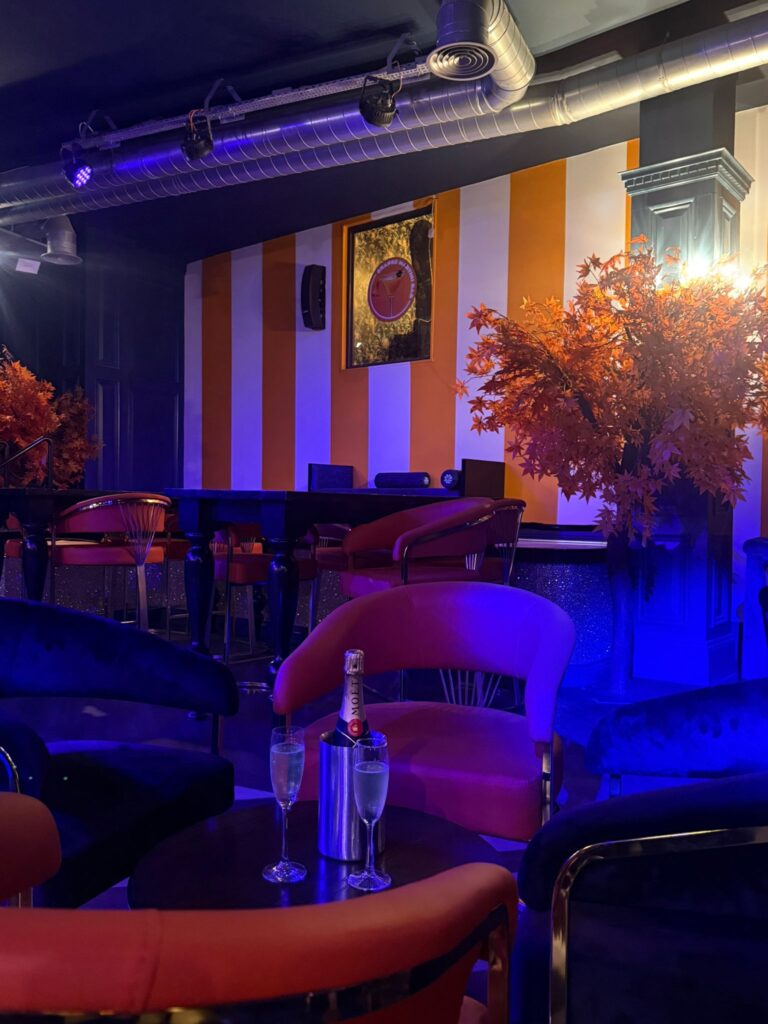
One thing that often gets overlooked is how much comfort influences enjoyment. VIP spaces tend to offer more room, somewhere to sit, and easier access to service.
That might sound basic, but it can remove a lot of the small frustrations that build up during a busy night out. Less waiting, less crowding, and fewer interruptions can make the experience feel smoother overall.
There’s also the aspect of control. In a VIP setting, you have more say over your immediate environment, whether that’s who joins your table or how your group interacts with the space.
That sense of control can make people feel more relaxed, which in turn often leads to a better night. It’s not always something people think about directly, but it tends to have a noticeable impact.
The Role of Social Dynamics
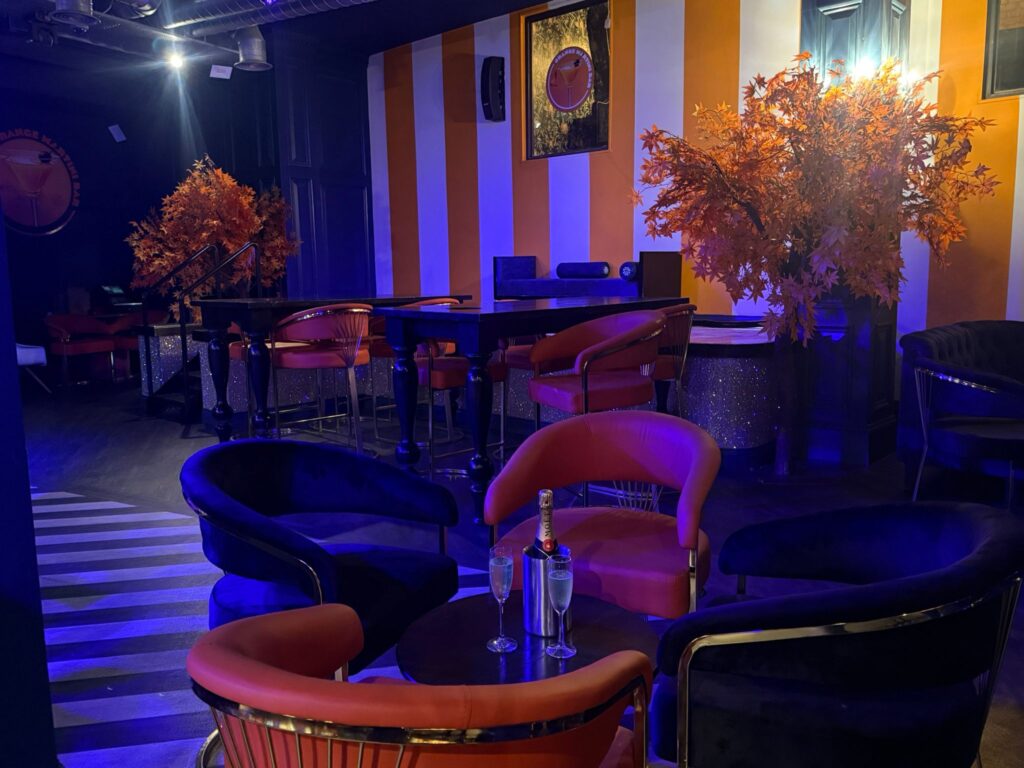
Group dynamics can shift quite a bit in VIP areas. Smaller, more contained spaces often encourage people to interact more closely with those they came with.
Conversations feel easier, and there’s less need to compete with the surrounding noise and movement. That can make the night feel more personal, even within a busy venue.
At the same time, being slightly removed from the main crowd changes the overall energy. Some people prefer the intensity of the dancefloor, while others lean towards a more controlled atmosphere.
VIP areas tend to sit somewhere in between, offering access to the wider environment without being fully immersed in it. That balance is part of what makes them appealing.
The Influence of Environment and Design
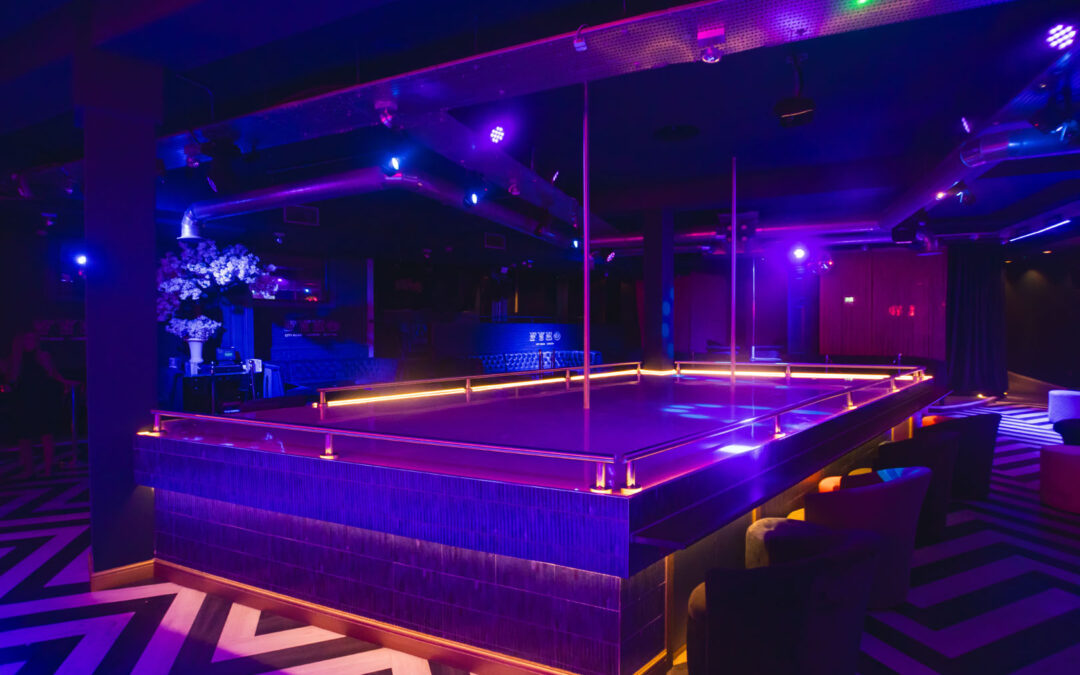
A lot of the impact comes down to design, even if it’s not immediately obvious. Lighting, seating, and layout are usually planned with intention.
Softer lighting can make a space feel more relaxed, while strategic positioning can make it feel more private without fully closing it off. These details often work in the background, shaping the mood without drawing attention to themselves.
There’s also the way movement flows through the space. Well-designed VIP areas allow people to move comfortably, interact naturally, and still feel connected to the rest of the venue.
When that balance is right, people tend to stay longer and engage more with the experience. It’s subtle, but it can influence behaviour in ways that aren’t always easy to spot.
Are VIP Experiences Always Worth It?
Despite the appeal, VIP isn’t necessarily for everyone. Some people prefer being right in the middle of the action, where the energy is more unpredictable.
For them, the structure of a VIP space might feel a bit too controlled or even slightly detached from the atmosphere they’re looking for.
It really comes down to what someone wants from their night. If the goal is comfort, space, and a sense of occasion, VIP can offer that quite well.
If it’s about spontaneity and being part of a larger crowd, then the main floor might be the better choice. Neither is objectively better, but they create very different experiences.
Conclusion
When you look beyond the surface, VIP nightlife experiences are shaped by more than just added extras. Factors like exclusivity, status, comfort, and social interaction all play a role in how the night feels.
These elements are often built into the environment in subtle ways, influencing behaviour without being overly obvious.
Understanding this can change how people approach a night out. Rather than seeing VIP as simply an upgrade, it starts to feel more like a different type of experience altogether.
Whether it’s worth it or not depends on the individual, but the psychology behind it helps explain why it continues to hold such a strong appeal.